
Wheat
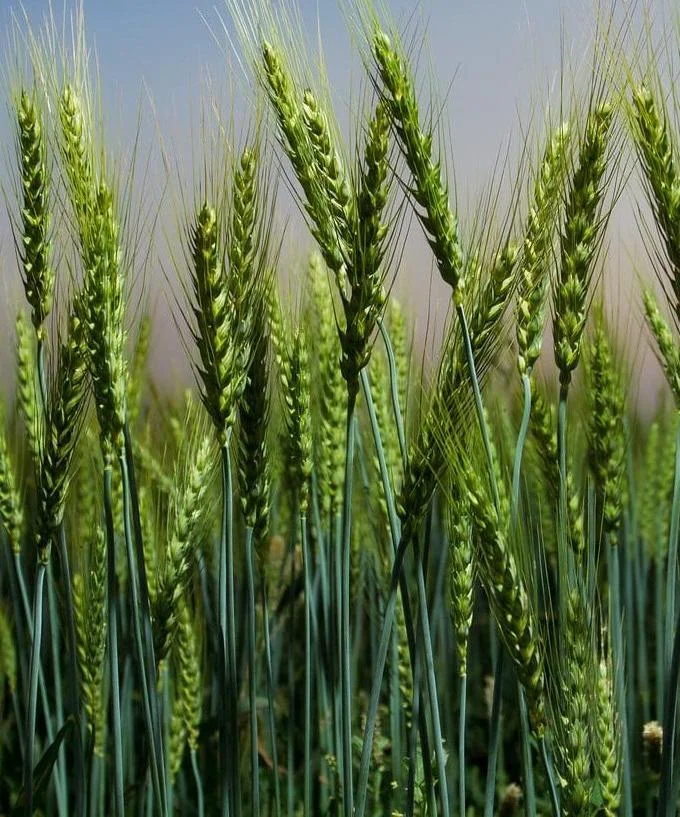
Wheat (Triticum aestivum L.) is one of the world’s most essential staple crops, providing a major source of calories and protein for billions of people. It forms the backbone of global food systems and rural economies, supporting livelihoods across diverse agro-climatic regions.
However, wheat production is increasingly constrained by soil nutrient depletion, pest and disease outbreaks, drought stress, and changing climate conditions, all of which threaten yield stability and grain quality.
Through integrated soil fertility management, advanced crop protection, and adaptive agronomic practices, wheat growers can improve root development, optimize nutrient uptake, and strengthen resistance to biotic and abiotic stress. Applying science-based and sustainable cultivation technologies enables higher productivity, better grain quality, and greater resilience — securing wheat’s role as a cornerstone of global food security and agricultural sustainability.
Related News
January 12, 2026
January 9, 2026