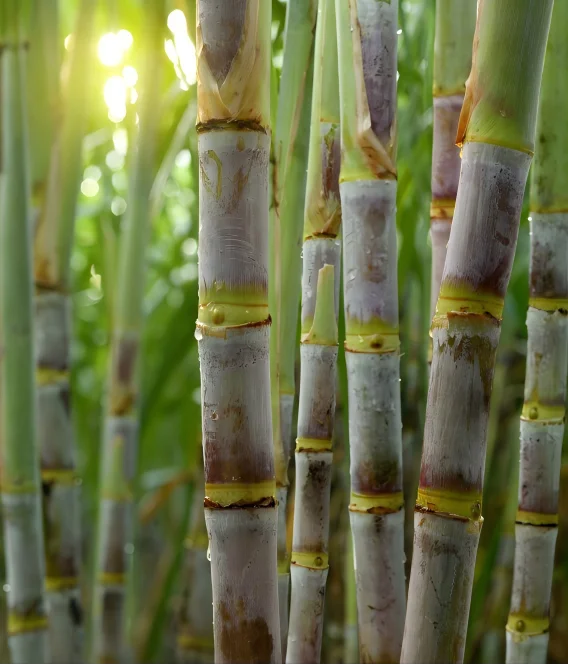
Sugarcane
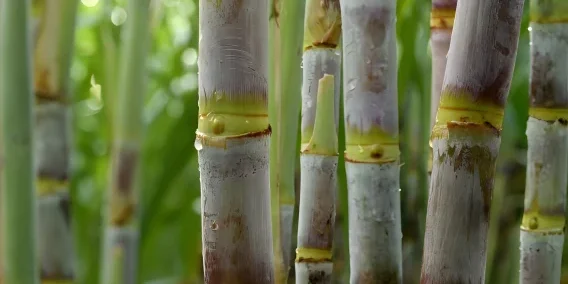
Sugarcane (Saccharum officinarum L.) is one of the world’s most significant industrial crops, forming the foundation for sugar, bioethanol, and multiple agro-based industries. Its high biomass productivity makes it a crucial driver of both food and energy security, particularly in tropical and subtropical economies.
However, sugarcane production faces critical constraints, including soil nutrient exhaustion, pest and disease outbreaks, water stress, and declining soil organic matter. These challenges not only reduce cane yield and sucrose content but also threaten long-term soil fertility and farm profitability.
By integrating advanced crop protection, nutrient optimization, and soil regeneration technologies, sugarcane growers can enhance root vigor, improve sugar recovery, and extend ratoon longevity. Science-based, sustainable management enables the sugarcane sector to achieve higher efficiency, improved resilience, and reduced environmental impact, paving the way for a more productive and sustainable future for the industry.
Related News
January 12, 2026

January 9, 2026