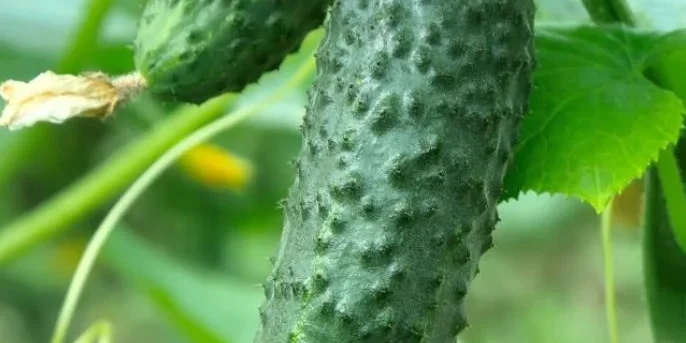
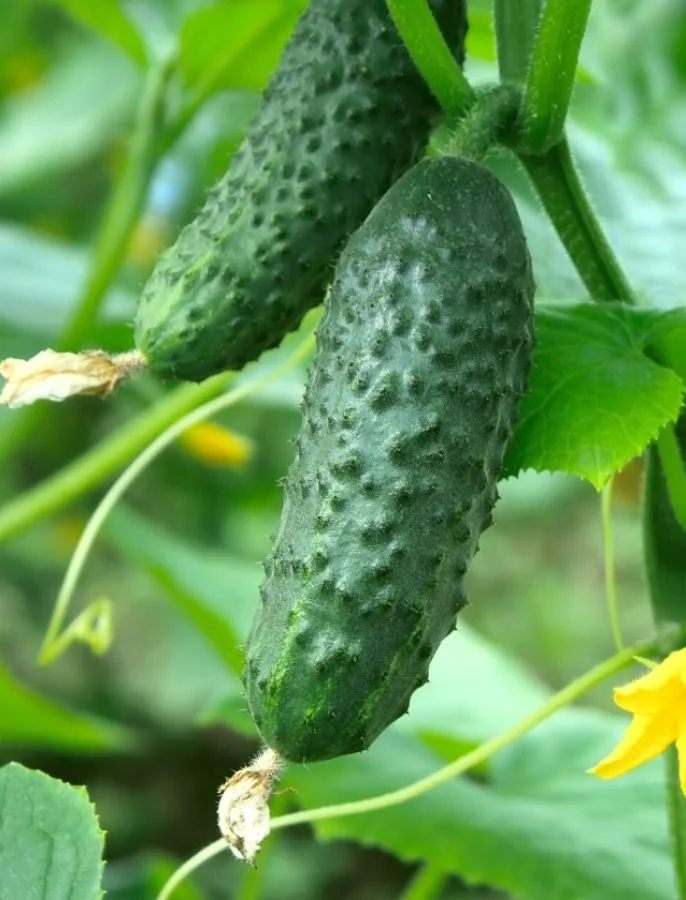
Cucumber (Cucumis sativus L.) is a major vegetable crop cultivated worldwide for its high economic value, nutritional benefits, and versatility in both fresh and processed markets. Its rapid growth cycle and high yield potential make it a vital component of modern protected and open-field vegetable production systems.
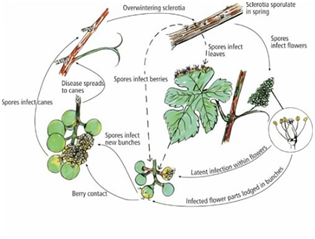
Yet cucumber cultivation faces growing challenges such as pest and disease infestations, soil fatigue, nutrient imbalance, and temperature or humidity stress, which can significantly impact fruit set, quality, and overall profitability.
By adopting integrated crop management strategies—combining targeted pest control, precise nutrient delivery, and soil structure restoration—cucumber growers can strengthen plant vitality, enhance fruit uniformity, and extend production cycles. Through science-driven, sustainable cultivation practices, cucumber production can achieve higher yields, improved quality, and resilient profitability, ensuring consistent supply and long-term agricultural sustainability.