





January 12, 2026
Corn is a vital global crop for food and feed, and its healthy growth is crucial for agricultural productivity and food security. However, throughout its growth cycle, various diseases threaten yield and quality. Among them, common rust, gray leaf spot, and smut are three common and potentially destructive diseases. Timely identification of symptoms, understanding their development patterns, and implementing scientific management strategies are key to ensuring a successful harvest. This guide provides comprehensive information on the pathogens, favorable conditions, symptom identification, and integrated management for these three diseases, supporting risk-based decision-making within an integrated pest management framework.
Common Rust
Pathogen
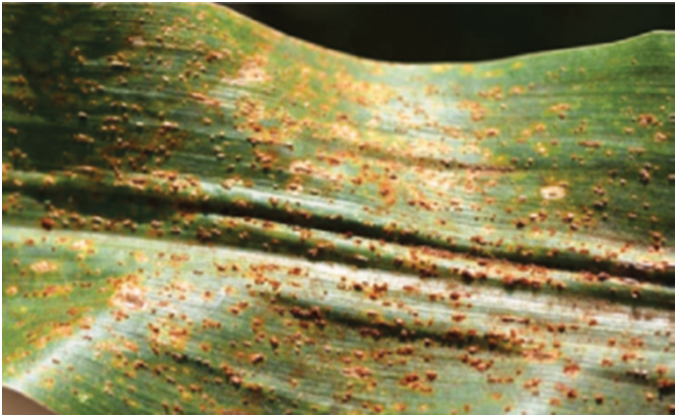
Common rust of corn is caused by the fungal pathogen Puccinia sorghi, which infects leaf tissue and spreads through airborne spores.
Conditions for Development
Disease risk increases under cool to moderate temperatures combined with extended leaf moisture, with higher pressure observed in regions experiencing frequent dew formation or sustained high humidity.
Symptoms
Infected leaves develop small, raised, reddish-brown pustules on both leaf surfaces, and sustained infection can reduce photosynthetic efficiency and accelerate leaf aging.
Management Considerations
Gray Leaf Spot
Pathogen
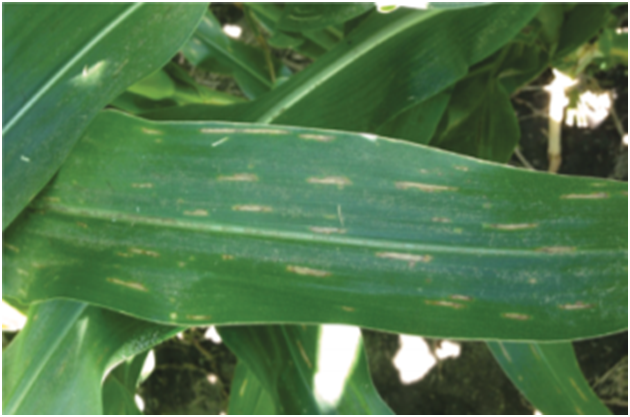
Gray leaf spot is caused by the fungal pathogen Cercospora zeae-maydis and is closely associated with infected crop residue, particularly in continuous corn production systems.
Conditions for Development
Warm temperatures, high humidity, and prolonged leaf wetness favor disease development, especially where residue decomposition is limited and canopy density remains high.
Symptoms
Lesions expand into rectangular, gray to brown areas clearly bounded by leaf veins, and under favorable conditions lesions may merge, resulting in extensive leaf blight.
Management Considerations
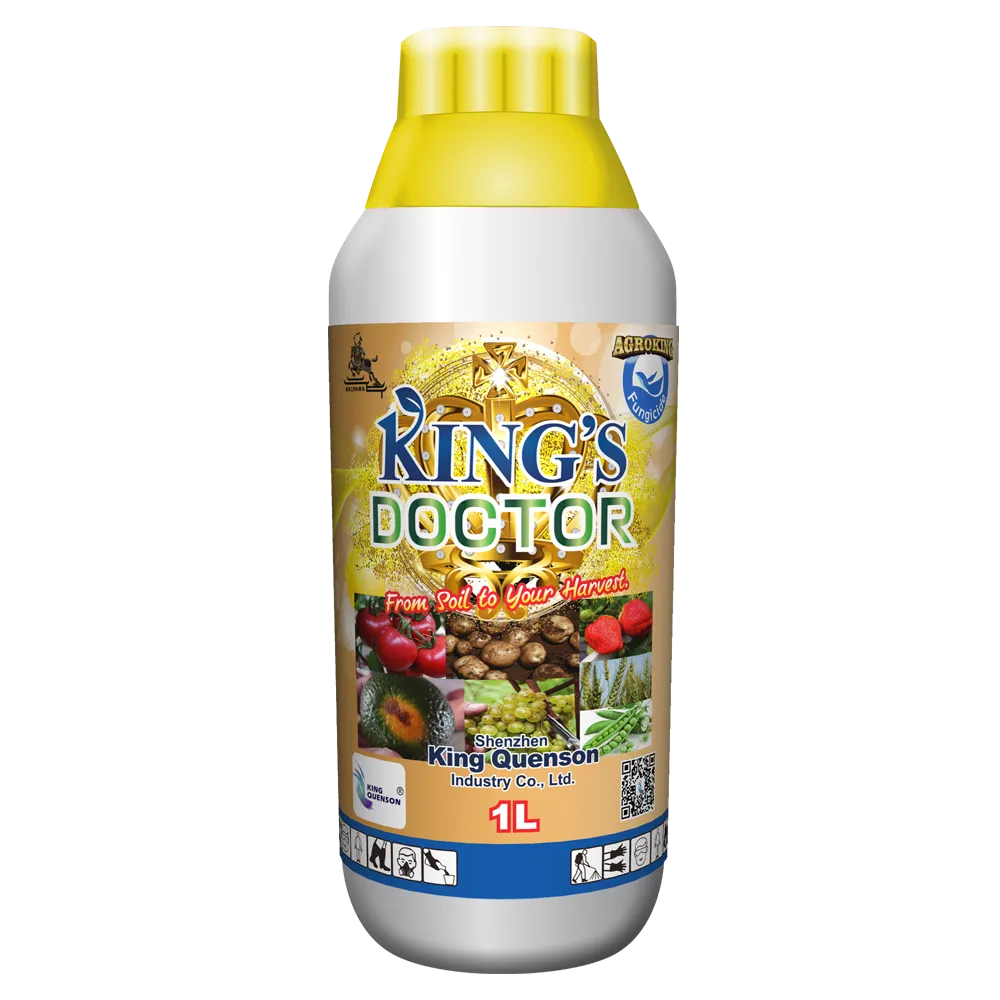
Subject to local registration status and regulatory compliance, fungicide solutions such as King’s Doctor or King’s Warrior may be integrated within an IPM framework.
Common Smut
Pathogen
Common smut is caused by the fungus Ustilago maydis, which infects actively growing plant tissues and persists in soil and crop debris.
Conditions for Development
Infection is commonly associated with plant stress or tissue injury caused by environmental or mechanical factors under moist conditions across a wide temperature range.
Symptoms
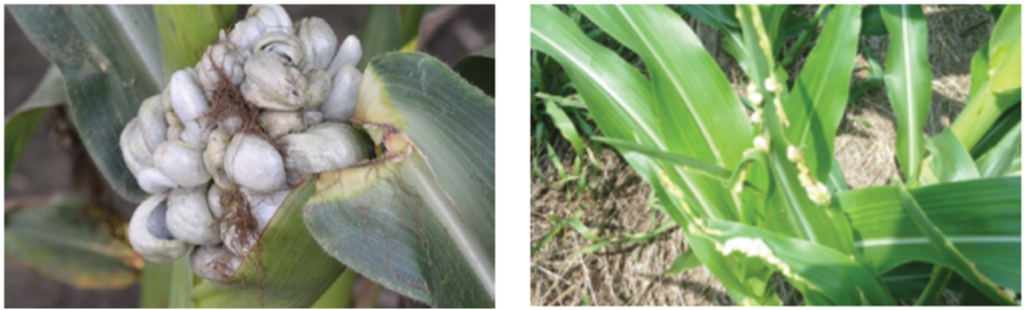
Galls form on ears, tassels, stems, or leaves and later rupture to release dark spores, with ear infections resulting in the most direct yield loss.
Management Considerations
King Quenson Support Statement
King Quenson is well positioned to support importers and large-scale agricultural operations in developing tailored, compliant integrated pest management strategies based on local conditions and regulatory requirements.
Disclaimer
This article is based on publicly available agricultural extension materials and general integrated plant protection practices. Management recommendations should be adapted to local conditions and regulations.
