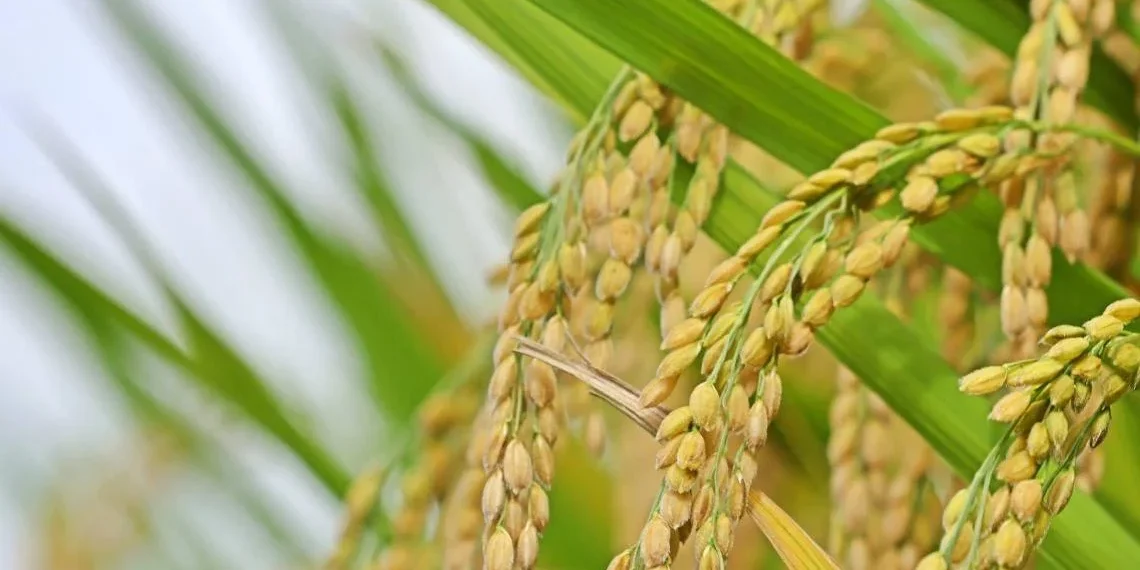

Rice (Oryza sativa L.) is the primary staple food for more than half of the world’s population and a foundation of global food security. Its cultivation sustains billions of livelihoods across Asia, Africa, and Latin America, linking farmers to regional and international value chains.
However, rice production faces persistent challenges — including pest and disease pressure, soil degradation, nutrient imbalance, and water scarcity — all of which constrain yield and profitability.
Through science-based integrated management in crop protection, soil health improvement, and balanced nutrition, rice growers can enhance productivity, increase resource efficiency, and strengthen resilience against environmental stress.
By adopting sustainable agronomic solutions, the rice industry can secure stable harvests, safeguard ecosystems, and ensure long-term agricultural prosperity.
Related News
January 12, 2026
January 9, 2026